키워드, 주문 또는 제품 코드 또는 일련 번호를 검색해 보십시오(예: “CM442” 또는 “기술 정보”).
검색하려면 최소 2자 이상 입력하십시오.

Onboard carbon capture for maritime decarbonization

Precise measurement supports reliable CO₂ capture, liquefaction and storage at sea

International shipping faces increasing pressure to reduce greenhouse gas emissions while continuing to operate with existing propulsion systems. Onboard carbon capture and storage (OCCS) offers a near-term solution, but reliable operation at sea requires precise monitoring of exhaust gas composition, solvent condition and key process parameters under harsh marine conditions.

Carbon Ridge and Endress+Hauser: A strong partnership for reliable onboard carbon capture

Careful placement of containerized onboard carbon capture system aboard STI Spiga ©Endress+Hauser

Onboard carbon capture setting sail: STI Spiga being equipped with the Carbon Ridge system before sea trials

The results

  • Excellent capture efficiency with a low footprint and high energy efficiency of the system

  • Compliance with evolving regulations and traceable data for transparent carbon accounting

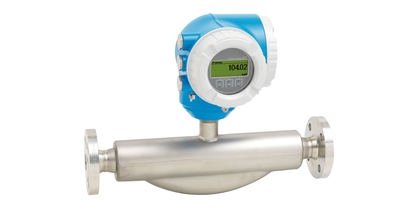
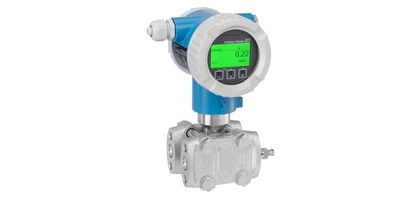
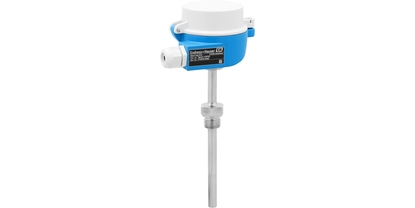
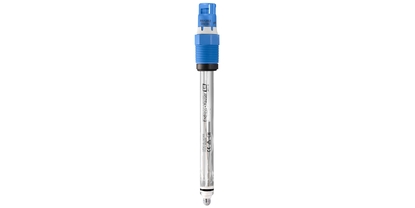
  • Flow, level, pressure, temperature and liquid analysis ensure controlled CO₂ transfer, stable operating conditions and continuous monitoring of solvent health

Chase Dwyer, CEO and founder of Carbon Ridge, in front of a tanker

"Carbon Ridge's OCCS is built for real-world performance. Partnership with Endress+Hauser ensures the precision and data integrity needed to drive maritime decarbonization forward with confidence."

Chase Dwyer, CEO and Founder
Carbon Ridge

Deploying onboard carbon capture systems in maritime shipping involves a combination of technical, operational and regulatory challenges. Space and weight constraints limit how capture units, including compression and liquefaction, and storage can be integrated into existing vessels, making compact and modular designs essential. In addition to these constraints, the following aspects need to be taken into consideration:

  • Harsh conditions: Vibration, temperature variation and corrosive atmospheres place high demands on system robustness and long‑term reliability

  • Safety and system integration: OCCS must be safely integrated with propulsion and exhaust systems while meeting maritime safety and classification requirements

  • Measurement and verification: Emissions reduction must be accurately measured and documented to support monitoring, reporting and verification (MRV)

With Endress+Hauser’s technology, operators gain reliable, traceable data that ensures OCCS operates at peak performance, safeguards compliance with IMO GHG targets and supports transparent carbon accounting.

Realization

  • Flow measurement to accurately monitor CO2 transfer rates and solvent circulation, even at low flow rates

  • Level, pressure and temperature monitoring to maintain optimal operating conditions for solvent performance, CO2 compression and liquefaction

  • Liquid analysis transmitters and sensors with Memosens technology to assess solvent health, detect contamination and schedule timely reclaiming or exchange

Carbon Ridge’s onboard carbon capture solution demonstrates that meaningful emissions reduction in maritime shipping is possible today, even within the sector’s tight operational constraints. By combining a compact, retrofit‑ready system design with stable operation under real marine conditions, the solution offers shipowners a practical pathway to reduce emissions while longer‑term fuel transitions continue to evolve.

Together, Carbon Ridge and Endress+Hauser show how close collaboration between technology providers and instrumentation experts can help translate innovative decarbonization concepts into operationally viable solutions for hard‑to‑abate sectors.

문의처

저희 제품에 관심이 있으십니까? 해당 작업 용도에 대해 상담받고 싶은신가요?

문의 주시는 내용에 대해 최대한 상세하게 기재해 주시면, 보다 빠르고 정확한 응대가 가능합니다.

  • 단순 제품

  • 손쉬운 선택, 설치 및 작동

기술적 우수성

단순성

  • 기본 제품

  • 신뢰성, 내구성, 유지보수가 쉬움

기술적 우수성

단순성

  • 하이엔드 제품

  • 우수한 기능성과 편리성

기술적 우수성

단순성

  • 전문 제품

  • 까다로운 어플리케이션을 위한 설계

기술적 우수성

단순성

구성에 따라 다름

FLEX 선택 기술적 우수성 단순성
  • F
  • L
  • E
  • X

Fundamental 선택

기본적인 측정 요구사항 충족

기술적 우수성
단순성
  • F
  • L
  • E
  • X

Lean 선택

핵심 프로세스를 손쉽게 처리

기술적 우수성
단순성
  • F
  • L
  • E
  • X

Extended 선택

혁신적인 기술로 프로세스 최적화

기술적 우수성
단순성
  • F
  • L
  • E
  • X

Xpert 선택

가장 까다로운 어플리케이션 요구사항 충족

기술적 우수성
단순성

구성에 따라 다름